|
 |
||||||||||
|
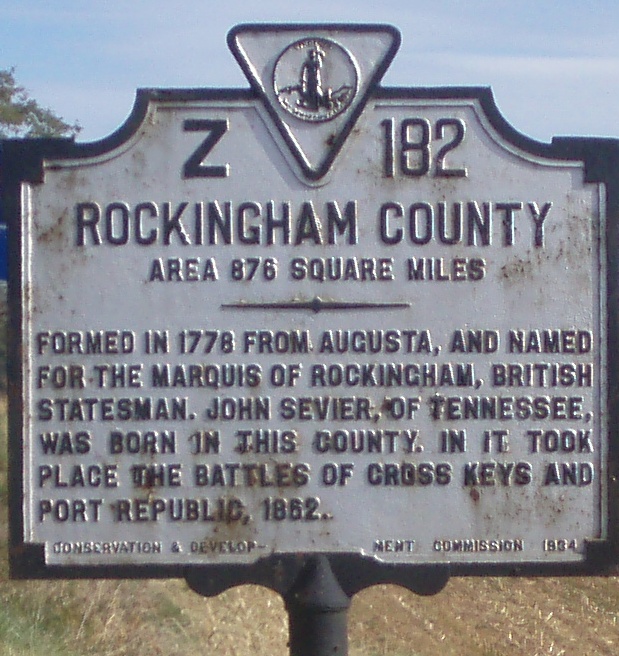
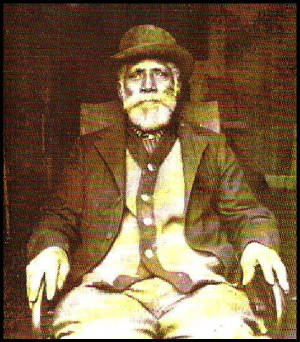
Around the Stafford Underground Railroad Station in Monroe County, Ohio, John Curtis was called Rockingham
John because he loved the mountians surrounding the Shenandoah Valley of Virginia where he was born. This account of his life is taken from family oral history and also from lengthy conversations with Lester
Feldner (1874-1969) a lifelong resident of Elk Township in Noble County, Ohio. Sometime in 1846, three slave boys, John, aged 16, along with his younger brothers Harrison, aged 14 and ,
Benjamin aged 13, escaped from a plantation in Rockingham County, Virginia. They crossed "western" Virginia on the "old" Arlington
Pike into Wood County, Virginia by cautiously traveling at night and hiding during the day. Bounty hunter's were reported
to have been hot on their trail. Near Ellenboro in western Virginia, an abolitionists named Luke Jago gave them directions
to the nearest point on the Ohio River at St. Marys, Virginia, then he created a diversion to buy them some time. At Ellenboro, the group of bounty hunters split up, one going northwest toward St. Marys and the other group
going due west toward Parkersburg. When John and his brothers reached the Ohio River, "the dogs were close on their heels".
Fortunately the water level was quite low during the fall season They managed to cross the Ohio River rather quickly. The
bounty hunters picked up their trail on the Ohio side of the river and pursued them most of the way across the northern part
of Washington County, to what is now Elk Township, Noble County (Noble County was formed in 1851, the last county to be
formed in Ohio). The area where the boys stopped to hide is located on the "East Fork" of Duck Creek about 25 miles north
of Marietta, on present day Ohio State Route # 145, at a place known locally as "Road Fork". The temperature had begun to drop, and it started to snow. The snowfall increased and the temperature continued
to fall. That part of Washington County was sparsely settled at that time, but fortunately John and his brothers stumbled
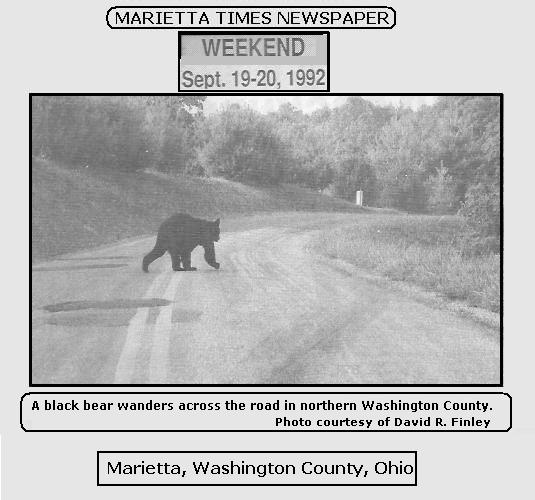
upon a cave and took shelter there. Unfortunately or fortunately, depending on the point of view, the cave was occupied
by a bear! John Curtis killed the bear with a large piece of sandstone. The boys ate the bear's flesh and used its hide to
trying to stay warm while they hid in the cave for over two months. They remained in or near the cave to avoid
the bounty hunters that they thought were searching for them. During that time they ate bear meat and took moisture from the
snow to quench their thirst. In November of 1846, an unusually early winter storm and cold spell had fallen upon southeastern Ohio. The
boys had little protection from the elements. The bounty hunters had given up and went back to Virginia. The youngest
brother, Benjamin died in that cave from exposure. John and Harrison buried him near Road Fork. The ground was frozen solid,
the bothers had no tools with which to dig, so they placed creek stones over Benjamin’s body. These are details provided by Lester Feldner. Les’s grandfather had come to the area from Fulda, Germany
some years earlier. The Feldner family had become part of the white Abolitionists group who had settled a few mile up the
road in Stafford, Monroe County. The founder of Stafford was Abolitionist William Steel, who had been born in Bigger, Scotland. He was brought
to Winchester, Virginia as a child and moved to Monroe County, Ohio when he was middle aged. He founded the village of Stafford
around 1839. Mostly white settlers lived in Stafford proper, and the black community formed about a mile south that was in
Washington County, at that time, but changed to Noble County in 1851. Noble County was formed from Townships formerly in Washington,
Morgan and Monroe Counties and was the last county formed in Ohio. Stafford soon became another Underground Railroad Station
in southeastern Ohio. The Feldner family and some other white settlers found Ben's body beside Duck Creek soon after it had been
placed there. Noticing the footprints of John and Harrison, and followed their trail back to the cave where the two boys were
hiding. Feldners convinced the boys that they were "friends" and would help them. They took John and Harrison to their farm
where the boys soon gained back good health. These events came to the attention of William Steel, a learned man. Steele had
connections with people in Harrisonburg, Rockingham County, Virginia. A sizeable proportion of the citizens in Rockingham
County, Virginia were anti-slavery. Rockingham County's representatives at the Virginia legislature had earlier voted to abolish
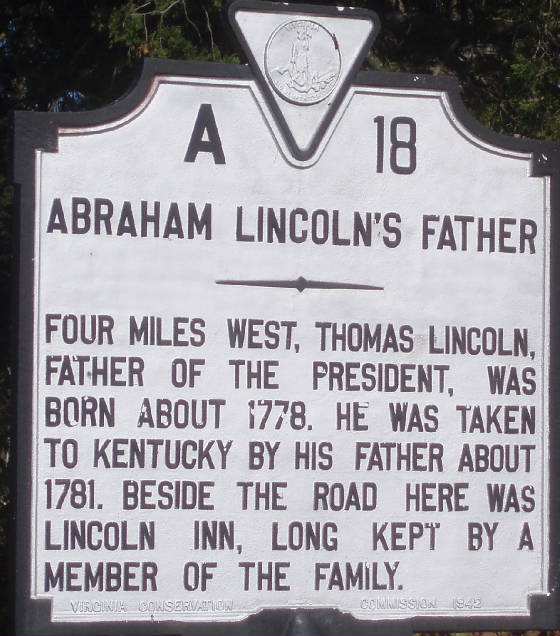
slavery in Virginia, but the effort was lost to Virginia counties with larger slave populations. Incidentally Rockingham County,
Virginia is also where the Lincoln family had been for many generations. Tom Lincoln, father of President Abraham Lincoln,
who was born there moved to Kentucky. William Steel was able to negotiate freedom for John and Benjamin Curtis' by paying off their owner. John
and Harrison then worked at William Steel's grist mill over at Stafford for several years to repay the debt. While working
at Steel's Mill, John and Harrison became involved with helping fugitive slaves on the Underground Railroad. The two brothers
guided fugitive slaves passing through the Stafford Station on to Guinea, another "colored settlement", further north near
Summerton in Belmont County, Ohio. No one knows how many fugitive slaves passed through Stafford, but probably the traffic
in fugitive slave was light compared to some Underground Railroad Station further down the Ohio River. Around 1849 a group
of about 100 "free blacks" from Rockingham County, Virginia settled near Stafford. When he American Civil War rolled around, John and Harrison and a number of the young black men went back
to Virginia working as employees for the Union Army. In 1863 when U.S. Colored Troops were authorized they joined the Union
Army. John Curtis returned to Stafford after the Civil War, but Harrison did not. Harrison may have been killed or died from
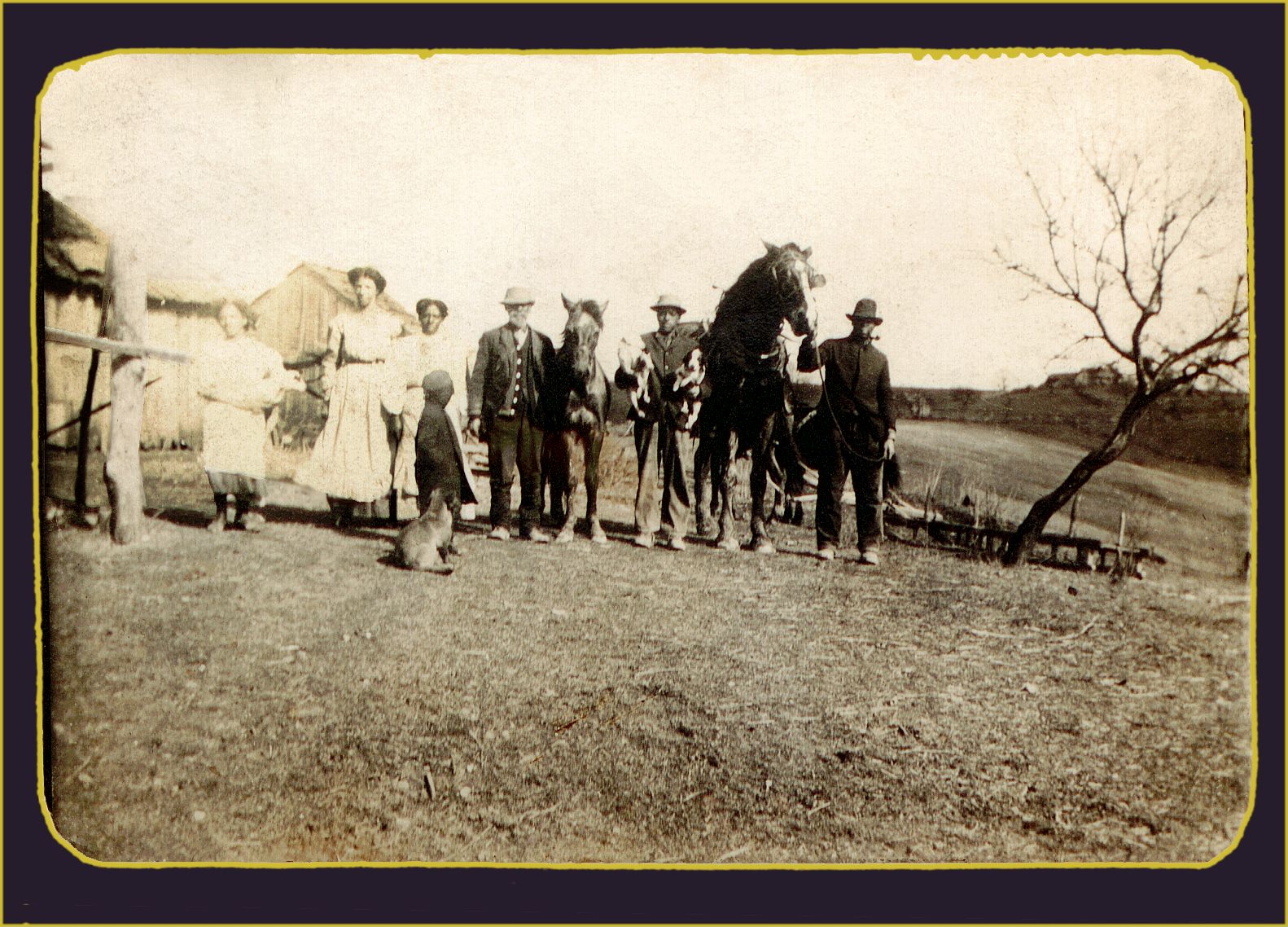
illness. John Curtis married Jane Earley of Cumberland, Guernsey County, Ohio around 1868. He bought a farm on the
edge of Stafford where he raised a large family and grew old. John Curtis passed away in 1914 and is buried at the Stafford
Cemetery. |
||||||||||
|
||||||||||
|
||||||||||||||||||||||||||||||||||||||||||||||||||||||||||||||||||||||||||||||||||||||||||
|
|
|